

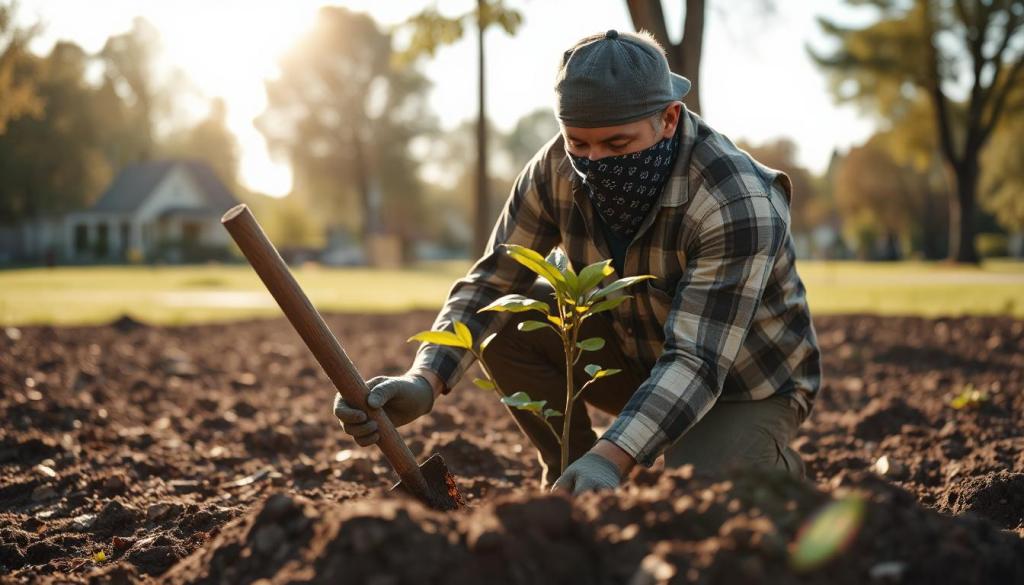
Having studied environmental ecology in college—where I was considered one of the less extreme voices among my peers—I came to realize that our modern-day management of wildlands is, in many ways, still quite primitive. Despite the dedication of many skilled professionals, there remains a troubling divide: the harsh separation between the municipalities management of the commons and the private citizens personal relationship with it. This fracture often leads to power struggles and makes shared responsibility for the land a rarity rather than a norm.
This realization led me to a deeper question—how can humans relate to the environment not as managers or tourists, but as integral participants in its life systems?
In the modern age, the outdoors is largely framed as a place for recreation—hunting, fishing, skiing, and even hiking are seen as temporary escapes, not ongoing relationships. This cultural lens reinforces a subtle but profound separation. We admire nature, but we do not often see ourselves as of it. In my view, this is one of the great sicknesses of our time: the disconnection from our ecological belonging.
We treat nature as a backdrop to our human story, rather than the sacred origin of it.
Of course, no one can force a society to adopt ethics or standards of care. But cultures evolve through shared values—and it’s time we incorporate a wiser ethos. One such shift must involve rethinking how we relate to resources, especially through the lens of debt. Debt allows individuals and institutions to claim ownership over land, materials, and living systems with a promise to pay in the future—often with no ability, or even intention, to repay in kind.
The Earth is both abundant and vulnerable. It is a limitless biological cradle, but a dwindling exploitable one. When we treat it as collateral for economic speculation, we set ourselves on a course of self-destruction. After all, money is a symbolic construct—its claim over the living world is not a law of nature, only a habit of culture. Perhaps this belief belongs to a past age. The one we now strive to leave behind.
As we transition into something new, we may need to act with creativity and courage. Sometimes, that means asking forgiveness rather than permission.
Enter the renegade horticulturist.
It’s not a safe path, but it’s a sacred one. The work is quiet, often invisible. It means planting trees where no one asked for them. Restoring riverbanks without a budget or badge. Tending to ecological grey zones—those forgotten margins between city and wilderness—with a shovel, some seeds, and a prayer.
Sometimes it looks like slipping saplings into the soil of public parks. Other times, it means cutting trails through neglected thickets, forging access for both animals and wanderers. It is done with humility, not arrogance. It is a listening act, not a conquering one.
The risks are real. There are no permits. No protections. The individual bears all responsibility. But there’s also something deeply honest in it—something that echoes the way humans once lived, thousands of years ago, when stewardship and survival were one and the same.
Perhaps we’ve now reached the end of one age and stand on the threshold of another.
And maybe this is how the new one begins—not with policy, but with a single tree planted in secret.
 Ancient Refuge
Leave a comment